

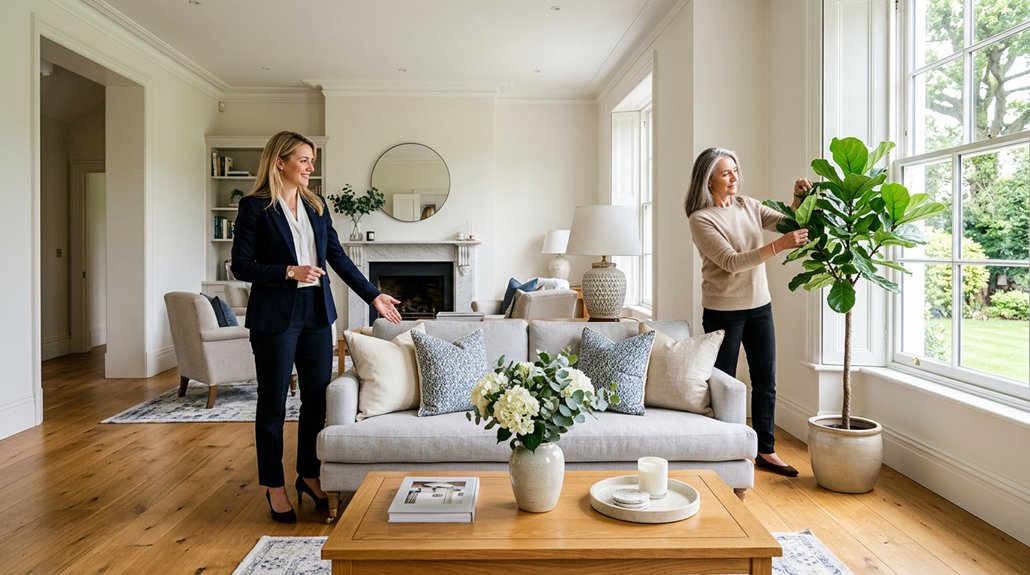
An estate agent helps you maximise your home’s value before listing by evaluating its condition, comparing recent local sales, and identifying features buyers want. They’ll recommend cost-effective repairs and updates, such as fixing visible defects or improving energy efficiency, while steering you away from renovations unlikely to pay off. Your agent can also advise on presentation, disclosure, and a competitive asking price, then refine the plan using market feedback. The steps below show how to prepare with confidence.
Key Takeaways
- Estate agents assess your property, identify buyer concerns, and recommend cost-effective repairs or upgrades.
- They use comparable sales and local demand to prioritize improvements buyers value, such as energy efficiency or flexible space.
- They advise on pricing based on property condition, recent sales, competition, and current market trends.
- They help prepare your home for viewings through decluttering, cleaning, staging, and improving first impressions.
- They guide disclosures and documentation, then use buyer feedback to refine presentation or adjust pricing.
How to Choose Improvements That Add Value?
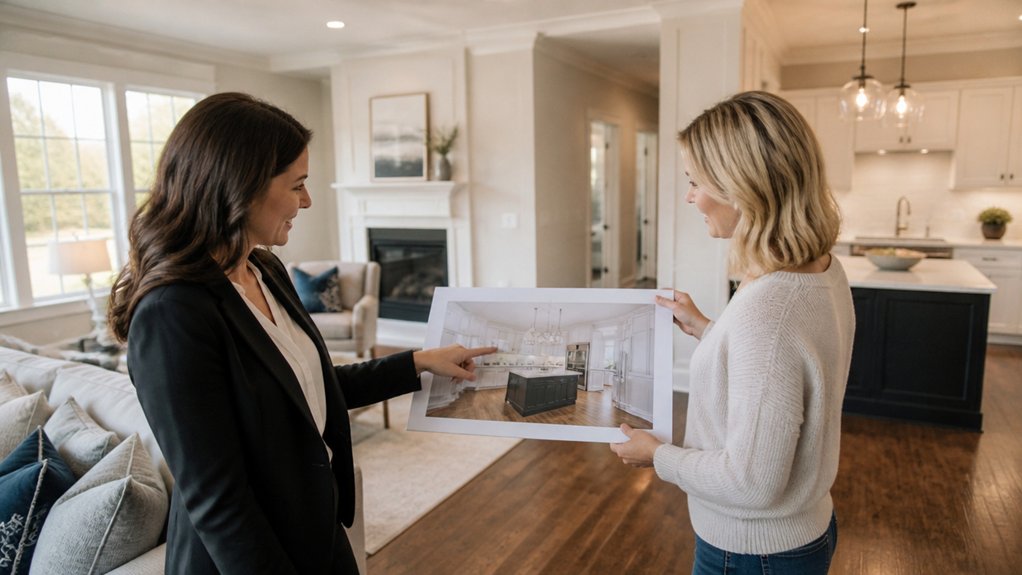
Before committing to an upgrade, assess whether local buyers will value it enough to justify the cost. Ask your estate agent to compare recent sales, identify features buyers notice, and estimate how each improvement could affect your asking price.
Prioritise repairs that remove visible defects, such as damaged flooring, dated fixtures, or peeling paint. These can reduce buyer concerns without requiring major investment.
Consider garden landscaping if the outdoor space looks neglected, but avoid expensive redesigns unless comparable homes support the spend.
For energy efficiency, address practical issues such as draughts, poor insulation, or inefficient heating; retain invoices and ratings to demonstrate improvements.
Your agent can help you weigh likely buyer appeal against contractor costs and the time needed before listing. Set a firm budget, then choose work with clear, measurable value.
Which Local Trends Should Shape Your Plans?
Once you’ve set an improvement budget, use local market trends to decide where it’s most likely to pay off. Ask your estate agent to review recent comparable sales, buyer demand, and time on market. These indicators reveal whether purchasers in your area reward extra space, energy efficiency, or flexible layouts—and whether similar homes are already competing on those features.
Track local market fluctuations rather than relying on broad national forecasts. A shift in mortgage affordability or available stock can change buyers’ priorities quickly, so confirm that your plans match current conditions.
Also assess neighborhood development: new transport links, schools, shops, or commercial projects may strengthen demand, while construction or traffic could affect appeal.
Your agent can interpret these signals against your property’s price bracket and likely buyer pool. Use that evidence to prioritize improvements with credible resale potential, not assumptions about what buyers want.
Which Quick Fixes Make the Best First Impression?
You can strengthen buyers’ first impression by invigorating your home’s curb appeal, where small exterior fixes can signal good upkeep.
Inside, decluttering helps rooms feel larger and easier to assess.
A thorough clean makes finishes stand out and reduces concerns about deferred maintenance.
Freshen Up Curb Appeal
What do buyers notice first when they arrive? Your home’s frontage sets expectations before a viewing begins, so focus on visible, low-cost improvements that signal careful maintenance.
Estate agents often recommend checking the approach from the street: repair loose gates, repaint a tired front door and replace worn house numbers. These details create a clear, welcoming entrance without requiring major investment.
Keep garden landscaping simple and well-defined. Trim hedges, edge paths and add seasonal plants where they’ll frame the entry rather than obscure it.
Test exterior lighting, replace failed bulbs and ensure the doorway and path are evenly lit for evening appointments.
Clean windows and clear gutters also sharpen the façade’s appearance. Prioritise fixes buyers can see immediately; a consistent, maintained exterior can strengthen first impressions and support your asking price.
Declutter and Deep Clean
Before buyers assess a room’s size or layout, they notice whether it feels clean and easy to navigate. Clear worktops, tidy floors and open pathways help rooms appear larger and let viewers focus on the property’s features. Remove excess furniture, personal items and anything that distracts from useful space. Use practical storage solutions to keep everyday belongings out of sight without making cupboards look overcrowded.
A thorough deep clean can improve first impressions quickly. Pay particular attention to kitchens, bathrooms, windows, floors and high-touch surfaces, where grime is easy to spot. Set short cleaning schedules before photography and viewings so the home stays presentation-ready.
Estate agents can identify areas buyers are likely to scrutinise and recommend fixes that offer the greatest visual impact. Prioritise visible results over costly upgrades.
How Should You Stage Your Home for Buyers?
To help buyers assess your home’s value, remove clutter and personal items so they can picture themselves living there.
Arrange furniture and lighting to draw attention to key features, such as a fireplace or generous natural light.
Create inviting, functional spaces that show how each room can be used.
Declutter and Depersonalise
Decluttering and depersonalising help buyers focus on your property rather than your belongings. Before listing, assess each room as a prospective buyer would. Remove excess furniture, paperwork, toys and countertop items to improve circulation and make spaces feel easier to use.
Clear wardrobes and cupboards, too; buyers often inspect storage, and overcrowding can suggest limited capacity.
Pack away family photographs, collections and distinctive décor. You don’t need to strip the home of every personal touch, but keep these details restrained so visitors can picture their own lives there. Use practical storage solutions to keep everyday essentials accessible without leaving them on display.
Your estate agent can identify items that distract in photographs or viewings. A focused edit reduces visual noise, supports stronger first impressions and helps buyers judge the property’s space and condition more objectively.
Highlight Key Features
Once you’ve cleared visual distractions, arrange each room to draw attention to its strongest features. Position furniture to reveal architectural details, such as original fireplaces, high ceilings, or built-in storage, rather than obscure them. Keep sightlines open to showcase natural light, generous proportions, and views.
In kitchens and bathrooms, highlight quality finishes and practical upgrades with clear surfaces and focused lighting. Your estate agent can use market analysis to identify which features local buyers value most, then tailor staging to support your asking price.
If your property investment includes energy-efficient systems or recent improvements, make these benefits easy to notice and verify. Use simple, targeted adjustments; avoid adding décor that competes with the home’s selling points.
Each room should communicate its function and demonstrate how its strongest assets contribute to lasting value.
Create Inviting Spaces
How can you make buyers feel at home without making rooms look overly styled? Start by clearing surfaces, editing personal items, and arranging furniture to show each room’s purpose. Keep walkways open and use neutral accents to help buyers picture their own belongings in the space. You don’t need costly renovations; targeted changes can improve presentation and perceived value.
Check interior lighting in every room. Open curtains, clean windows, and replace dim bulbs with consistent, warm-toned options to make spaces feel brighter and more usable. In kitchens and bathrooms, clear counters and highlight practical storage.
Outside, tidy paths, trim overgrowth, and refresh planting through considered garden landscaping. A neat entrance signals ongoing care and strengthens first impressions. Ask your agent to review the staging against local buyer expectations, then prioritize changes that photograph well and address visible concerns before listing.
Which Renovations Are Worth the Cost?
Not every renovation adds enough value to justify its cost. Before you commit, ask your estate agent which defects could deter buyers and which upgrades local demand supports. Prioritise repairs to roofs, plumbing, electrics, and damp; visible problems can undermine confidence and invite lower offers.
Then assess kitchens and bathrooms: targeted updates, such as replacing worn fittings or improving lighting, often make more commercial sense than full replacements.
Consider Energy efficiency improvements, including insulation or efficient heating, when they’re affordable and likely to appeal to buyers.
In period homes, Historic preservation may protect distinctive features that contribute to desirability; avoid alterations that erase original character. Your agent can compare likely buyer expectations with contractor estimates, helping you weigh costs against market appeal.
Don’t renovate for personal taste alone; choose work that addresses clear concerns or broadens buyer interest.
How Should You Set an Asking Price?
After weighing renovation costs against buyer appeal, set your asking price using recent comparable sales, current competition, and your property’s condition. An estate agent can conduct a Market analysis of sold listings, active properties, and buyer demand in your area.
Focus on homes with similar size, layout, location, and features; adjust for meaningful differences rather than relying on asking prices alone.
Your agent can recommend Pricing strategies based on local conditions. A competitive price may attract more viewings and encourage offers, while an ambitious figure can limit early interest and extend time on market.
Consider your timeline and negotiating flexibility, then agree on a price supported by evidence. Review feedback and viewing activity after launch, and reassess promptly if the market response falls short of expectations.
A measured adjustment can restore buyer attention without undermining your property’s perceived value.
What Should You Disclose Before Listing?
Before listing, disclose known defects, past repairs, boundary disputes, planning or building-control issues, and any restrictions that could affect a buyer’s decision. Your agent can help you identify relevant disclosure requirements, but you’re responsible for providing accurate information and supporting records.
Check your legal obligations with a solicitor, since rules vary by location and property type. Gather invoices, warranties, permits, survey findings, and correspondence that clarify the issue and any work completed.
Don’t assume a repair removes the need to disclose the original defect; explain what happened, when it occurred, and whether it recurred. If you’re unsure whether something matters, raise it with your solicitor and agent before marketing begins.
Clear, consistent disclosures help buyers assess risk, reduce the chance of disputes, and protect your negotiating position during a sale.
How Can You Get Your Home Ready for Viewings?
Once your disclosures are in order, prepare the home so buyers can assess its condition, layout, and value clearly. Start with repairs that could raise concerns during inspection: fix leaks, tighten loose fittings, replace failed bulbs, and address visible damage.
Clean thoroughly, remove excess belongings, and arrange furniture to make rooms feel spacious and circulation obvious. Open curtains and use balanced lighting so buyers can evaluate finishes and natural light.
Set a comfortable temperature, reduce odors, and secure pets before each appointment. Your agent can recommend which improvements offer a measurable return and which won’t justify their cost.
Prepare concise notes on upgrades, energy efficiency, utility costs, and neighborhood safety; buyers often weigh these factors alongside price.
Keep access clear, valuables secured, and the home ready for flexible viewing times. A consistent presentation helps buyers compare properties confidently.
Conclusion
Before listing, treat your home like a ship preparing to leave harbour: every repair, price decision and viewing detail affects the journey. Your estate agent is the navigator, using local data and buyer insight to help you invest where value is most likely to grow. Focus on improvements that strengthen first impressions, disclose issues clearly and price with evidence. You can’t control the market’s tide, but thoughtful preparation helps your property sail toward stronger offers—with fewer costly surprises along the way.
Leave a Reply