

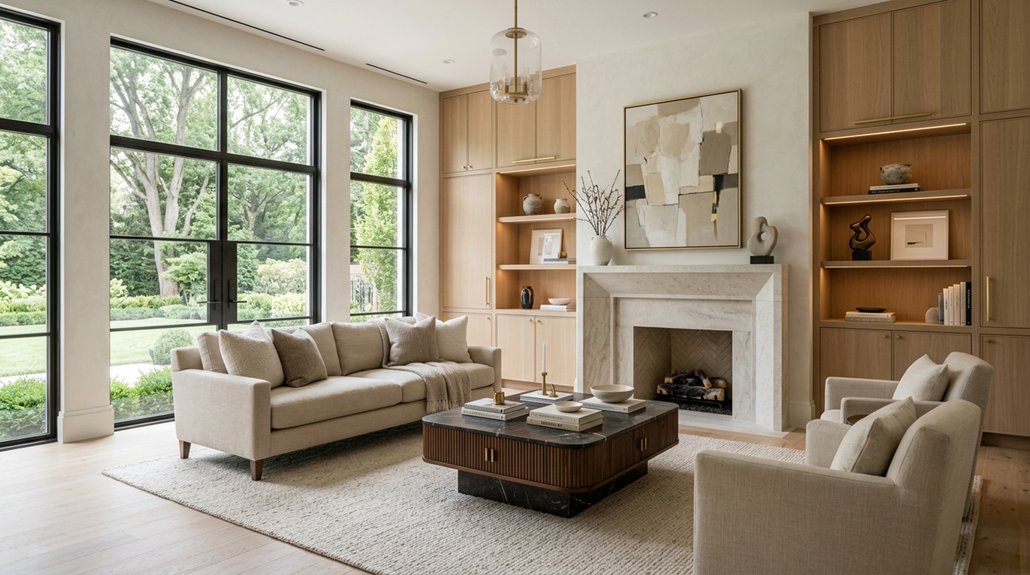
High-end interior renovations can help you attract buyers and strengthen your property’s market appeal when you pair refined design with everyday function. Focus on kitchens and bathrooms, durable finishes, smart storage, and layouts that feel open yet purposeful. Before you commit, compare project costs with local sales and address hidden issues early. Cohesive details, quality craftsmanship, and clear upgrade records build confidence. Thoughtful choices can make your home feel move-in ready—and reveal where your investment may have the greatest impact.
Key Takeaways
- Cohesive palettes, refined finishes, and quality craftsmanship create a polished first impression and help buyers envision a desirable lifestyle.
- Upgrading kitchens and bathrooms with durable materials, efficient fixtures, and functional layouts can strengthen buyer appeal.
- Improving lighting, storage, flooring, and interior flow makes spaces feel more spacious, practical, and move-in ready.
- Durable, low-maintenance materials support long-term quality and reassure buyers that renovations are built to last.
- Professional photography and clear records of upgrades, warranties, and maintenance help showcase renovation value and build buyer confidence.
How Luxury Renovations Influence Buyer Decisions
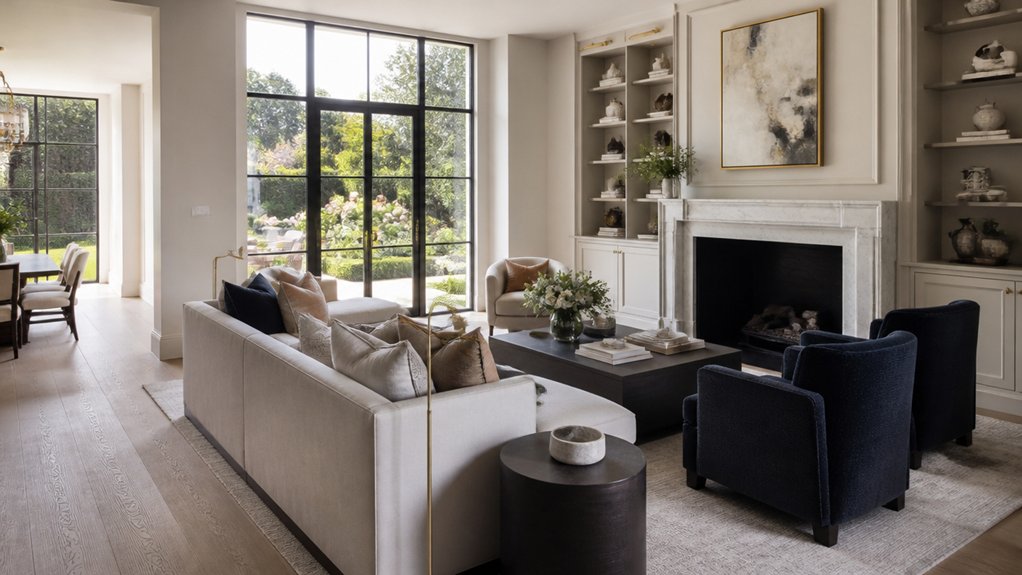
When buyers walk into a home, high-end renovations can shape their expectations before they compare a single price. A considered interior signals care, quality, and a lifestyle they can imagine enjoying. You’ll notice how balanced lighting, tactile finishes, and seamless connections make rooms feel both polished and welcoming.
These details help buyers connect emotionally while judging whether the property suits their standards.
Today’s luxury design trends favor thoughtful restraint over display: natural materials, tailored storage, and technology that works quietly in the background. When your renovation reflects buyer luxury preferences without feeling overly personal, more visitors can picture themselves living there.
A cohesive palette and consistent craftsmanship also make the home feel complete, reducing distractions during a viewing. Rather than relying on spectacle, you create an atmosphere that earns attention, builds confidence, and leaves a lasting impression.
Which Upgrades Offer the Best Resale Value?
A polished interior can attract buyers, but the strongest resale returns come from upgrades that pair visual appeal with everyday function. Prioritize kitchens and bathrooms, where refined finishes and practical layouts leave a lasting impression.
Choose durable stone counters, well-crafted cabinetry, and efficient fixtures that feel current without appearing overly personal. In living areas, custom millwork adds architectural character while providing useful storage.
Luxury lighting can highlight ceiling height, artwork, and carefully selected finishes. Improve flooring and paint for a cohesive, move-in-ready presentation, and consider built-in storage where it solves an everyday need.
Buyers notice thoughtful details, from quiet-close drawers to layered lighting controls. When you select upgrades that look exceptional and work seamlessly, you help your home stand out and give prospective buyers more reasons to picture themselves living there.
Balance Renovation Costs Against Resale Value
Before committing, estimate each project’s full cost, including premium materials, labor, and contingencies.
Then assess likely resale returns against comparable homes in your market.
You’ll make stronger choices when the renovation’s appeal and cost align with what buyers will pay.
Estimate Project Costs
How much should you invest in a high-end renovation? Start with a detailed cost estimation, then shape your budget planning around the property’s condition, your priorities, and realistic project limits.
Request itemized quotes from qualified contractors, and compare labor, materials, design fees, permits, and contingency allowances. Premium finishes can elevate a room, but their price varies widely; specify grades and quantities before approving proposals.
Inspect the home for hidden issues, such as outdated wiring, plumbing concerns, or structural repairs. Addressing these early helps you avoid costly changes once work begins.
Separate essential upgrades from optional enhancements, and reserve funds for unexpected expenses without compromising workmanship. Set a firm spending ceiling, confirm payment schedules, and track every change order.
With disciplined planning, you can pursue a polished renovation while keeping costs controlled and decisions grounded in the home’s needs.
Assess Resale Returns
Once you’ve set a realistic budget, assess how your renovation may affect resale value. Compare your planned investment with recent sales of similar homes in your neighborhood, noting which features buyers value and what they’re willing to pay.
A designer kitchen or carefully updated primary suite may strengthen appeal, but lavish finishes rarely guarantee a matching return. Prioritize improvements that suit your property’s character and local market expectations.
Factor in quality, too. Historical preservation can protect distinctive details that make your home memorable, while Eco friendly materials may attract buyers seeking efficiency and lasting performance.
Ask a local real estate professional to estimate your home’s likely value before and after the work, then weigh that range against total costs. You’ll make more confident choices when projected returns—not personal taste alone—guide your renovation scope.
Make Kitchens Premium and Practical
A premium kitchen should make everyday routines feel effortless while reflecting the character of your home. Choose durable stone counters, well-crafted cabinetry, and layered lighting to create a polished space that works as beautifully as it looks.
Smart storage, including deep drawers, pull-out organizers, and discreet pantry systems, keeps essentials accessible without crowding your counters. Select eco-friendly materials, such as responsibly sourced wood and recycled surfaces, to add lasting appeal while supporting more thoughtful design.
Prioritize a layout that suits how you cook and entertain. A generous island can provide prep space, casual seating, and a natural gathering point, while quality appliances make daily tasks smoother.
These carefully chosen upgrades help your kitchen feel distinctive, practical, and move-in ready—qualities that can strengthen buyer interest and support your home’s market value.
Refresh Bathrooms With Buyer-Friendly Luxury
To give your bathroom buyer-friendly luxury, pair timeless finishes with details that make daily routines more comfortable. Choose natural stone or porcelain tile in a restrained palette, then add warm metal accents for a polished, enduring look. Luxury fixtures, such as a sculptural faucet and a rainfall showerhead, signal quality without overwhelming the room.
A frameless glass enclosure keeps the shower feeling open, while a well-lit vanity with generous counter space supports everyday use.
Spa-inspired features can make the room feel restorative and memorable. Consider a deep soaking tub, heated floors, soft dimmable lighting, or a niche that keeps bath essentials neatly within reach.
Prioritize durable, easy-care materials so the finish stays appealing through years of use. These thoughtful upgrades help you create a bathroom that feels indulgent, functions beautifully, and stands out to discerning buyers.
Improve Flow With Smarter Interior Layouts
A thoughtful layout lets you move through your home with ease while making each room feel more generous. Open sightlines connect key spaces and draw in natural light.
You can define functional zones with tailored furnishings, subtle partitions, or changes in flooring.
Create Open Sightlines
When you open sightlines, rooms feel more connected, light travels farther, and everyday movement becomes easier. You can create this effect by widening doorways, replacing solid partitions with glass, or removing nonstructural barriers.
Before changing walls, ask a qualified professional to assess structural requirements and preserve essential services.
Choose furnishing styles that support visual continuity: low-profile seating, slender-legged tables, and carefully scaled pieces keep views unobstructed.
Consistent finishes across adjoining rooms also help your eye move naturally through the home without making each space feel identical.
Thoughtful lighting designs reinforce that openness; layered ambient and accent fixtures can guide attention while maintaining a cohesive atmosphere.
With clear views toward windows, architectural details, or a focal feature, your renovation feels brighter and more generous—qualities that can strengthen buyer appeal and perceived value.
Define Functional Zones
Even in an open-plan home, distinct functional zones make daily routines feel more intuitive. Thoughtful spatial zoning lets you preserve openness while giving each area a clear purpose.
Position seating to support conversation, anchor dining with a well-scaled table, and keep workspaces apart from household traffic. These choices improve room functionality without adding walls or interrupting natural light.
Use rugs, lighting, cabinetry, and subtle changes in ceiling detail to mark divisions with restraint. A kitchen island can define the boundary between cooking and gathering, while a console or bookcase can guide movement between living areas.
Keep pathways generous and sightlines clear so your layout feels effortless, not segmented. When you define zones around how you actually live, you create a more comfortable, adaptable home—and a polished interior that prospective buyers can readily understand and value.
Choose Durable Finishes Buyers Trust
Durable finishes give a high-end renovation lasting appeal—and reassure buyers that its beauty won’t come at the cost of constant upkeep. Choose materials that withstand daily use while retaining their character: quartz counters resist stains, porcelain tile handles moisture, and engineered wood offers warmth with greater stability than many solid options.
In busy rooms, prioritize scratch-resistant surfaces and easy-care fabrics; thoughtful selections help your home feel polished without demanding excessive maintenance.
Look beyond appearance, too. Eco-friendly materials can pair responsible sourcing with lasting performance, while quality hardware and well-sealed surfaces protect your investment.
Innovative lighting can highlight rich textures and architectural details without compromising function. When you select finishes with proven durability, you create cohesive interiors that feel considered, age gracefully, and give prospective buyers confidence in the home’s enduring quality.
Showcase Your Renovations When Selling
As you prepare to sell, present your renovations as proof of thoughtful care and lasting quality. Help buyers recognize the value behind each considered choice, from enduring stone surfaces to carefully fitted cabinetry.
Arrange rooms to reveal their proportions, natural light, and practical flow. Then use professional photography to capture those details clearly.
Highlight Artistic lighting that brings warmth and focus to key spaces, and describe how Custom furniture makes the most of distinctive layouts.
Provide a concise record of materials, upgrades, and maintenance, including warranties where available.
During showings, keep surfaces uncluttered and lighting balanced so finishes remain the focus.
In your listing, connect each improvement to comfort, function, and lasting appeal. You’ll give buyers tangible reasons to value the home and imagine themselves living there.
Conclusion
Your renovation should feel less like a passing trend and more like a well-composed symphony: every finish, fixture, and open sightline working in harmony. When you balance investment with buyer appeal, you create a home that feels polished, practical, and ready for its next chapter. Highlight the craftsmanship and thoughtful upgrades when you sell, and buyers can picture themselves stepping into a space where lasting value and everyday comfort meet. That’s how luxury leaves a lasting impression.
Leave a Reply