

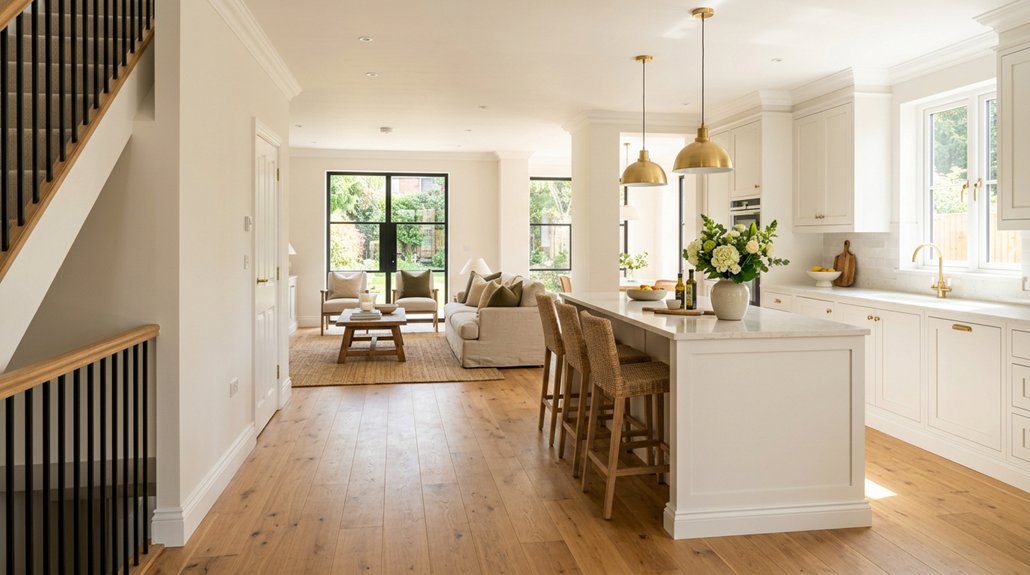
To prepare your renovated property for sale, set a firm budget and prioritize updates buyers notice without overspending. Fix likely inspection issues, improve curb appeal, and refresh paint, lighting, and worn finishes. Make kitchens functional and uncluttered, and guarantee bathrooms are spotless, repaired, and ready to use. Gather permits, invoices, inspection reports, and transferable warranties to build buyer confidence. Stage each room to highlight space and flow. These focused steps can help attract serious offers; discover how to make each one count.
Key Takeaways
- Set a firm renovation budget using comparable sales, buyer expectations, and a reserve for unexpected costs.
- Prioritize safety and inspection-ready repairs, especially roof, plumbing, electrical, pest, and exterior issues.
- Refresh interiors with neutral paint, modern fixtures, working lighting, and clean, functional kitchens and bathrooms.
- Stage rooms with minimal clutter, inviting decor, clear pathways, and natural light to highlight space and flow.
- Boost curb appeal and organize permits, invoices, inspection reports, and transferable warranties for buyer confidence.
Set a Budget for Sale-Ready Updates
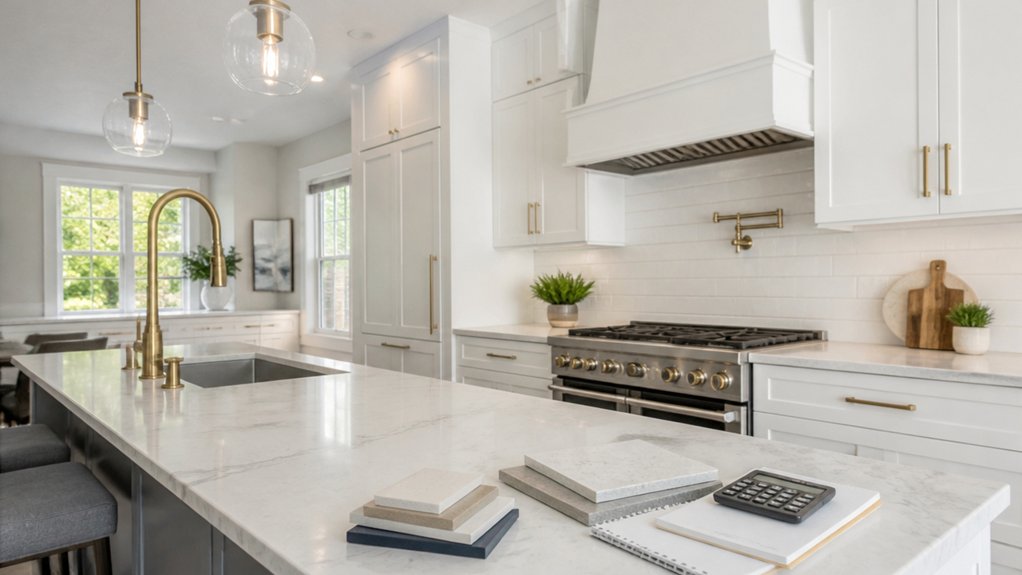
Before scheduling sale-ready updates, set a firm budget based on your expected sale price and available funds. Use market research to compare similar renovated homes, identify buyer expectations, and estimate a realistic selling range.
Your Pricing strategy should guide every spending decision: choose updates that help your property compete without eroding your potential return. List essential improvements, desirable touches, and optional extras, then assign each a spending limit. Get quotes before committing, and leave a reserve for unexpected costs.
Prioritize visible upgrades that make your home feel current and move-in ready, but don’t assume every expensive feature will raise its value. If an update won’t appeal to likely buyers or support your asking price, skip it.
A clear budget keeps your preparation focused and protects your proceeds.
Address Likely Inspection Issues Early
Once you’ve set your update budget, check for problems a buyer’s inspection may uncover. Walk through your renovated property with a critical eye, then hire qualified professionals to assess safety and major systems. Pay close attention to roof leaks, plumbing, electrical work, heating and cooling, drainage, and signs of pests or moisture. A fresh finish won’t reassure buyers if a hidden issue threatens their investment.
Address urgent repairs before listing, and correct smaller defects that could raise doubts about workmanship. This practical defect mitigation can help prevent inspection surprises, reduce renegotiation pressure, and keep a serious buyer focused on your home’s value.
Test doors, windows, appliances, and fixtures, too. Strong inspection readiness shows you’ve cared for the property and helps buyers picture a smoother path to closing.
Gather Renovation Records and Warranties
As you prepare to sell, gather permits, invoices, inspection reports, and warranties for the renovation work. Organize these records by project, then create a clear digital folder you can share with interested buyers.
Complete renovation documentation shows what you upgraded, who performed the work, and whether it met applicable requirements. It also helps buyers verify details without relying on memory or guesswork.
Review each warranty for its coverage, expiration date, exclusions, and transfer rules. Contact providers to confirm whether protection can pass to the next owner, and keep their contact information handy.
Strong warranty management gives buyers a practical way to address future concerns and can make your improvements feel less risky. Present the records during showings or negotiations, and answer questions with specific evidence.
When buyers see organized proof, they can assess your home’s value with greater confidence.
Boost Curb Appeal Before Listing
Organized renovation records build buyer confidence, and a polished exterior makes a strong first impression. Before you list, walk up to your property as a buyer would. Clear pathways, trim overgrown shrubs, and add fresh mulch to create a neat, welcoming approach. Thoughtful landscaping improvements can make your renovated home feel cared for before anyone steps inside.
Handle visible exterior repairs, too. Fix loose steps, replace damaged house numbers, clean gutters, and touch up peeling trim. These small details signal that you’ve maintained the property, not just renovated it. Wash the siding and windows so buyers can see the home’s condition clearly. If the front door looks tired, clean or refinish it for a crisp entrance.
You don’t need elaborate upgrades; focus on tidy, durable choices that help buyers picture a well-kept home and feel confident booking a showing.
Refresh Interior Paint, Lighting, and Finishes
Fresh interior paint, lighting, and finishes help buyers see a renovated home as move-in ready. Choose neutral Color palettes that brighten rooms and let buyers imagine their own furnishings in the space.
Repair scuffs, cover bold walls, and use consistent shades to create a calm, connected flow throughout the home.
Update dated fixtures with simple, modern options that provide warm, even light. Replace burned-out bulbs and check that switches work, so every room feels welcoming during showings.
You don’t need costly upgrades; clean lines and coordinated details can make a strong impression.
Complete the look with carefully chosen Finishing touches, such as refreshed hardware, polished mirrors, and crisp trim. These details signal that you’ve maintained the renovation with care.
When buyers notice a cohesive, well-lit interior, they’re more likely to picture themselves settling in and move confidently toward an offer.
Make High-Impact Kitchen Updates
A few well-chosen kitchen updates can make your renovated home more appealing without a full remodel. Focus on details buyers notice first: clean lines, reliable appliances, and ample prep space. If your current appliances look dated or mismatched, consider appliance upgrades that create a coordinated, energy-efficient look. You don’t need luxury models; dependable, modern options can reassure buyers and strengthen your home’s value.
Next, refresh cabinets before replacing them. Cabinet enhancements such as new hardware, fresh paint, or repaired doors can make the kitchen feel polished at a fraction of the cost. Clear countertops, organize drawers, and ensure every door and drawer opens smoothly.
If your budget allows, update a worn countertop or add a simple backsplash that complements the renovated interior. These targeted improvements help buyers picture themselves cooking and gathering in a kitchen that feels ready to use.
Make Bathrooms Clean and Move-In Ready
Because buyers notice bathroom condition right away, make every space spotless, odor-free, and ready to use. Scrub sinks, tubs, showers, toilets, mirrors, and floors, then remove soap residue and water spots.
Clean tile grout thoroughly; repair cracked or discolored sections so surfaces look fresh and well maintained. Polish bathroom fixtures, tighten loose handles, and replace anything corroded or leaking.
Check faucets, drains, fans, and lights to make sure everything works properly. Recaulk around tubs and sinks where gaps or stains could suggest water damage.
Clear counters, empty cabinets of personal items, and provide fresh hand towels and toilet paper. Use a mild, clean scent rather than heavy fragrance, which can raise concerns.
A pristine, functional bathroom reassures buyers that your renovation is complete and they can settle in without immediate repairs.
Stage Rooms to Help Buyers Picture Living There
Give each room a clear purpose so buyers can picture how they’ll use it.
Choose neutral, inviting decor that helps them feel at home.
Arrange furniture to highlight the space and create an easy flow.
Define Each Room’s Purpose
Define each room’s purpose so buyers can picture how they’d live in your renovated property. Give every space a clear, practical role, whether it’s a home office, guest room, dining area, or reading nook. Room functionality matters because buyers want to see how the layout supports daily routines, not guess what to do with an awkward corner or spare room.
Arrange furnishings to show how people can move through each space and use it comfortably. If a room could serve more than one purpose, demonstrate one primary use and mention its flexibility in the listing. Purpose clarity helps buyers connect your renovation to their needs and recognize the home’s full potential.
Thoughtful staging turns empty or confusing spaces into useful features, making your property easier to understand and more compelling to serious buyers.
Use Neutral, Inviting Decor
Once each room has a clear purpose, use neutral, inviting decor to help buyers picture themselves living there.
Choose a Neutral palette of warm whites, soft grays, or gentle earth tones to create a calm backdrop. These shades feel fresh and let buyers focus on the home’s features rather than your personal taste.
Add Inviting accents, such as textured cushions, a simple throw, fresh flowers, or a few carefully chosen books. Keep accessories limited and coordinated so each room feels polished, not crowded.
Use soft lighting and clean, well-maintained furnishings to make the space feel comfortable and move-in ready. You don’t need expensive pieces; thoughtful styling can make a strong impression.
When buyers feel at ease, they’re more likely to imagine making the property their own and take your renovated home seriously.
Highlight Space and Flow
To help buyers picture daily life in your renovated home, arrange furniture to highlight open pathways and make each room’s purpose clear. Keep walkways uncluttered so visitors can move comfortably and appreciate the home’s layout.
In living areas, group seating to suggest easy conversation without blocking windows or doorways. Define dining and work zones with a few well-chosen pieces, especially in open floor plans, where thoughtful placement helps each area feel useful yet connected.
Let natural light travel through every room by opening curtains and removing bulky furnishings near windows. Mirrors can brighten darker corners and make compact spaces feel more expansive.
Avoid overcrowding; buyers need room to imagine their own belongings and routines. A balanced layout shows how your renovation supports comfortable living, while clear sightlines help visitors notice attractive finishes and picture themselves settling in.
Conclusion
With a clear budget, repairs handled, and records ready, you’ll make your renovated property easier for buyers to trust. Fresh finishes, inviting curb appeal, and thoughtful kitchen and bathroom updates help your home feel ready for its next chapter. Stage each room to show how life could unfold there, and let buyers picture themselves settling in. You don’t need to chase every trend—focus on the details that reassure, delight, and help serious buyers feel at home from the first showing.
Leave a Reply